Polska Kielbasa vs. Traditional Sausages: What Sets Them Apart?
Understanding Polska Kielbasa
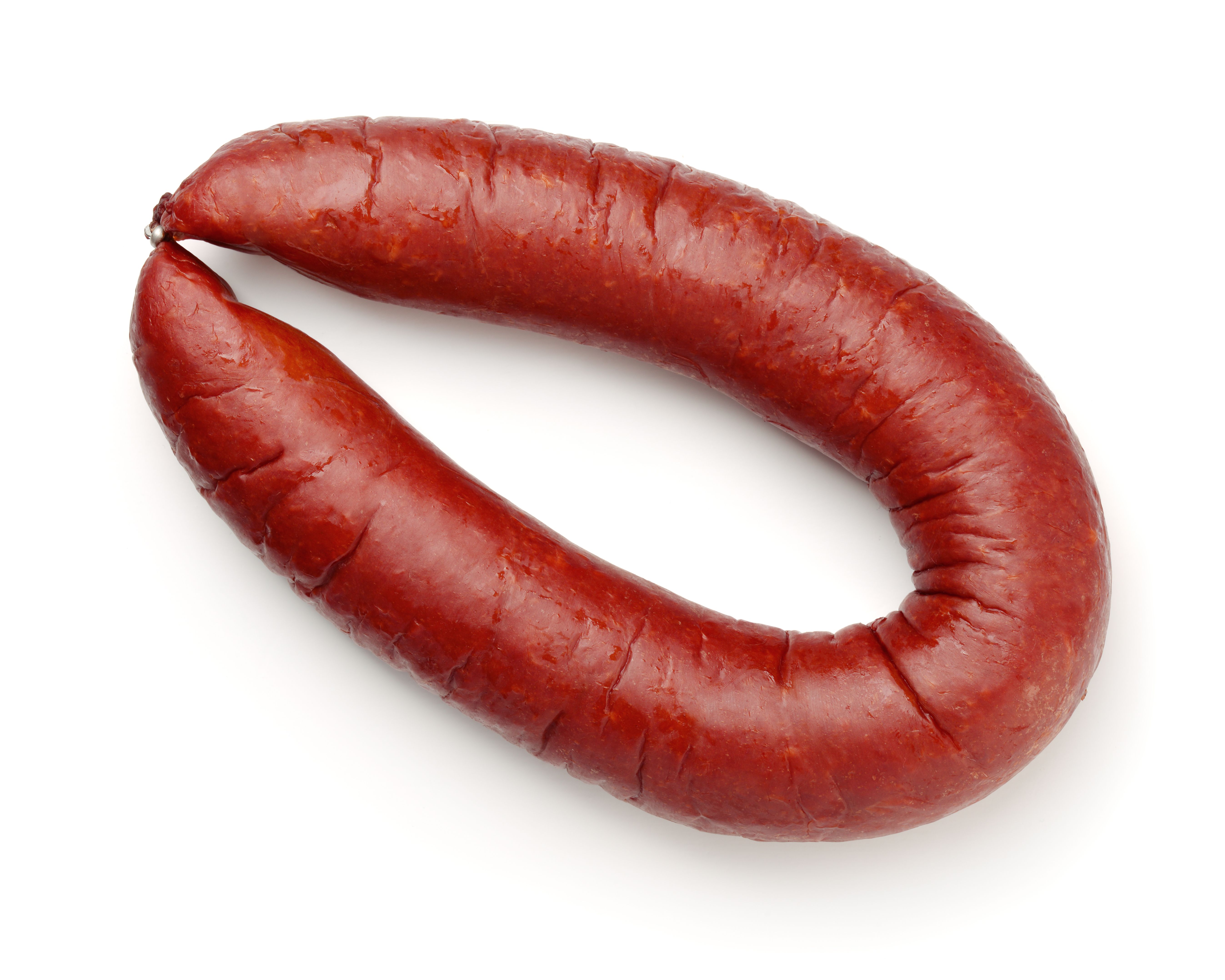
Polska Kielbasa, often simply referred to as "kielbasa," is a beloved staple in Polish cuisine. Known for its distinct, rich flavor, kielbasa is traditionally made from pork, although beef or turkey can also be used. The word "kielbasa" itself means "sausage" in Polish, but it signifies much more than just a simple meat product. It embodies a culinary tradition that has been passed down through generations.
What sets Polska Kielbasa apart is its unique seasoning, which typically includes garlic, marjoram, and other spices. These ingredients create a savory and aromatic profile that is unmistakably Polish. Additionally, kielbasa is often smoked, giving it a deep, smoky flavor that enhances its appeal.
Traditional Sausages: A Diverse World
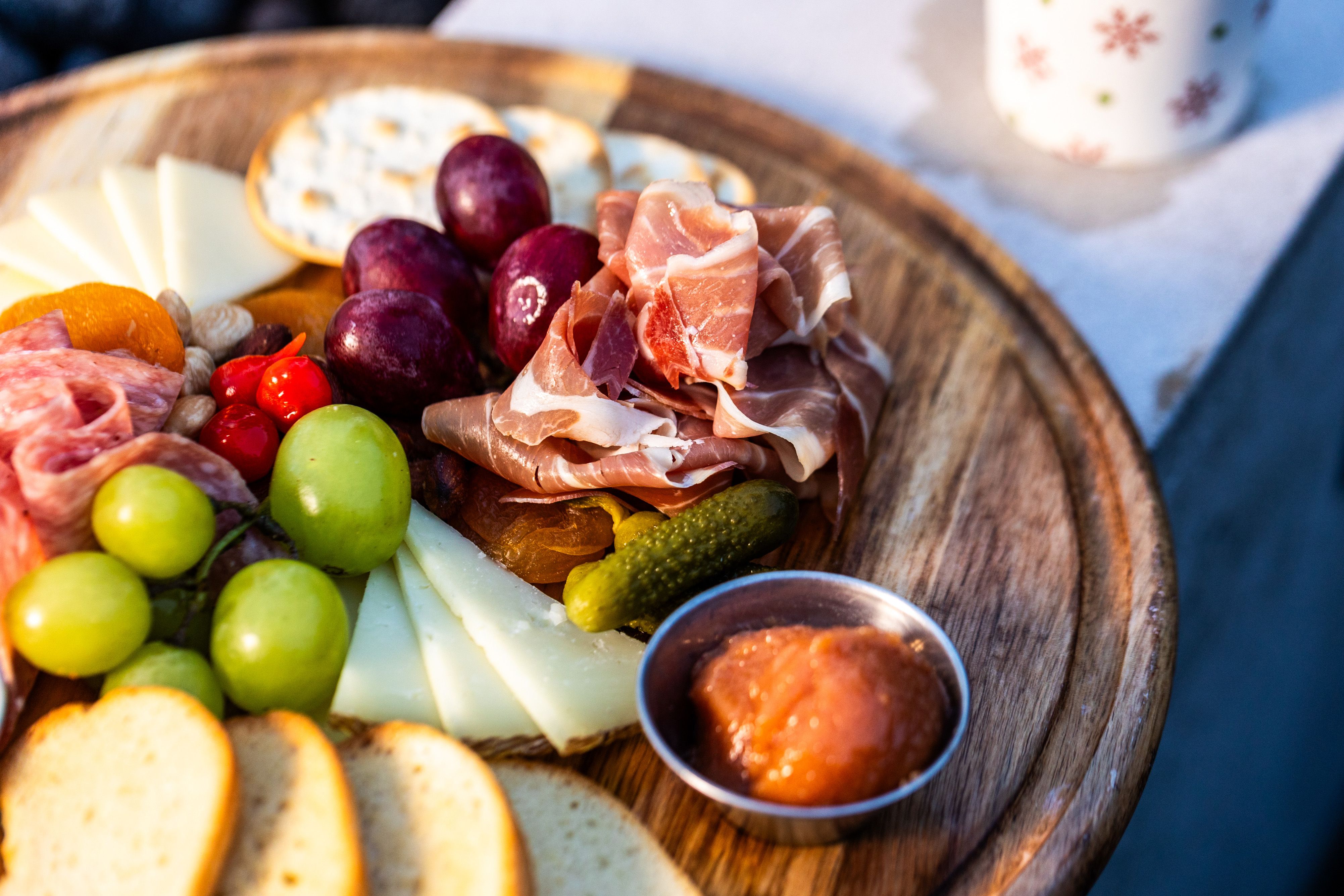
In contrast to Polska Kielbasa, traditional sausages encompass a wide array of varieties from around the globe. Each region and culture has its own take on this popular food item, leading to a diverse and exciting world of flavors and textures. From Italian salami to German bratwurst, traditional sausages offer something for every palate.
Traditional sausages can be made from various types of meat, including pork, beef, lamb, and even chicken. The spices and herbs used in these sausages vary greatly, reflecting the culinary heritage of their respective regions. For example, Italian sausages might feature fennel seeds, while Spanish chorizo is known for its paprika-infused heat.

Key Differences in Preparation
One of the primary differences between Polska Kielbasa and traditional sausages lies in their preparation methods. Kielbasa is often smoked and sometimes boiled, giving it a distinct texture and flavor. Smoking not only enhances the taste but also acts as a preservative, allowing the sausage to maintain its quality over time.
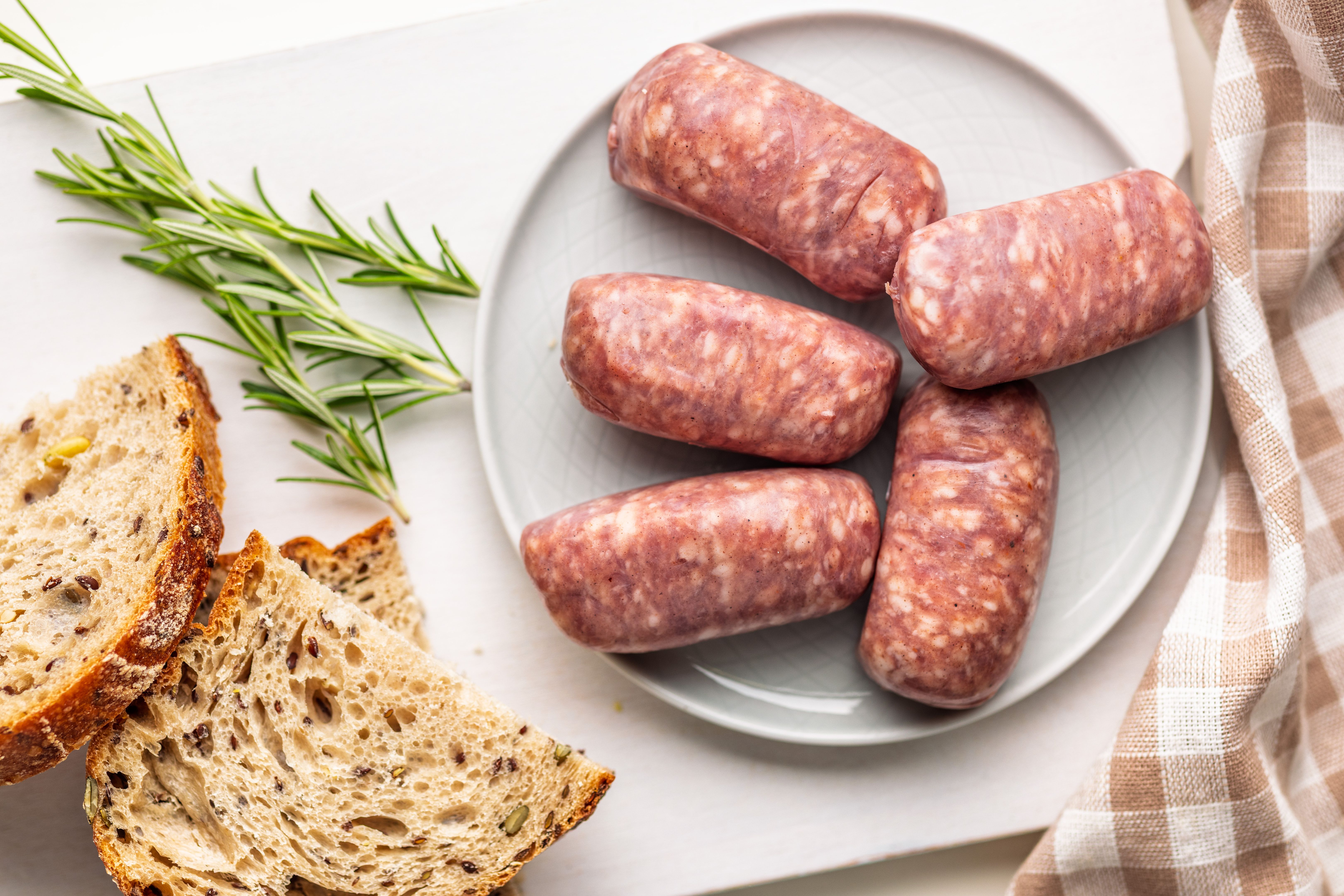
Traditional sausages, on the other hand, can be prepared in a multitude of ways. Some are fresh and require cooking, while others are cured and ready to eat. The preparation method significantly impacts the final taste and texture of the sausage, making each variety unique.
Flavor Profiles
The flavor profiles of Polska Kielbasa and traditional sausages are another distinguishing factor. Kielbasa's robust garlic and marjoram notes create a savory depth that pairs well with a variety of dishes, from stews to sandwiches.
In contrast, traditional sausages offer a spectrum of flavors, ranging from mild and sweet to spicy and bold. The choice of spices and herbs plays a crucial role in defining their taste, giving each sausage a distinct character that reflects its cultural origins.
Culinary Uses and Pairings
Polska Kielbasa is incredibly versatile in the kitchen. It can be grilled, baked, or sautéed and is often served alongside sauerkraut, potatoes, or in a hearty stew. Its smoky flavor makes it a great addition to various dishes, adding depth and richness.
Traditional sausages, with their diverse range of flavors, also offer numerous culinary possibilities. They can be used in pasta dishes, casseroles, or enjoyed simply on their own. Pairing them with complementary ingredients enhances their unique flavors, making them a favorite in many cuisines.
Conclusion: A Celebration of Sausage Diversity
Polska Kielbasa and traditional sausages each bring something unique to the table, reflecting the rich culinary traditions of their respective cultures. Whether you're savoring the smoky, garlicky goodness of kielbasa or exploring the diverse flavors of traditional sausages, both offer a delectable experience that celebrates the art of sausage making.
In the end, the choice between Polska Kielbasa and traditional sausages comes down to personal preference and culinary curiosity. By exploring both, you can appreciate the distinct qualities that make each type a cherished part of global gastronomy.