
The History and Tradition Behind Polska Kielbasa: A Cultural Journey
The Origins of Polska Kielbasa
Polska Kielbasa, a staple of Polish cuisine, has a rich history that dates back centuries. This beloved sausage is more than just a food item; it is a symbol of Polish culture and tradition. The term "kielbasa" itself simply means "sausage" in Polish, but its significance runs much deeper.
The origins of kielbasa can be traced back to the early days of the Polish-Lithuanian Commonwealth. Traditionally, it was made from pork, but variations also include beef, lamb, and even game meats. The preparation of kielbasa often involved regional spices and herbs, which gave it a distinctive flavor that varied from one region to another.
The Art of Making Kielbasa
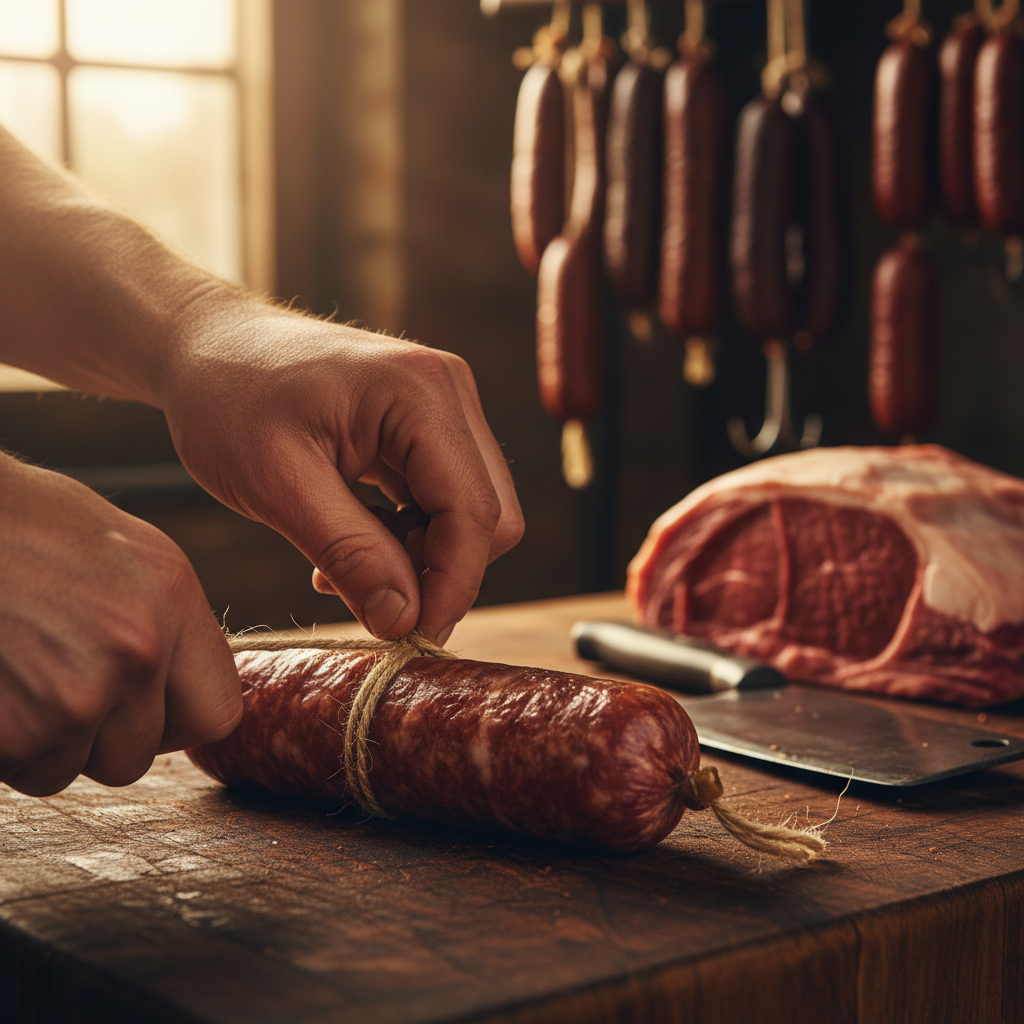
Making kielbasa is an art passed down through generations. The process begins with selecting the right cut of meat, usually pork shoulder, which is then ground and mixed with spices such as garlic, pepper, and marjoram. The mixture is carefully stuffed into natural casings and smoked to perfection.
Smoking is a crucial step that imparts a unique flavor to the sausage. Traditionally, kielbasa is smoked over hardwood, which gives it a rich, smoky taste. The smoking process can take several hours, depending on the desired flavor intensity and texture.
Regional Varieties
Polska Kielbasa comes in numerous regional varieties, each with its own unique twist. Some of the most popular types include:
- Kiełbasa Krakowska: Known for its coarse texture and garlic flavor, this variety hails from Kraków.
- Kiełbasa Biała: A fresh, unsmoked sausage often used in soups.
- Kiełbasa Wiejska: A country-style sausage known for its rich, smoky flavor.
Kielbasa in Polish Culture
Kielbasa holds a special place in Polish culture and is a staple at many traditional celebrations and gatherings. It is commonly enjoyed during holidays such as Christmas and Easter, often served alongside other traditional dishes like sauerkraut and pierogi.
Beyond its role in festive meals, kielbasa is also a popular street food in Poland. Grilled or fried, it is often served with mustard and bread, offering a quick and satisfying meal for busy locals and tourists alike.

Global Influence and Popularity
As Polish immigrants settled around the world, they brought their culinary traditions with them, introducing kielbasa to new audiences. Its savory flavor and versatility have made it a favorite in many countries, particularly in the United States, where it is often enjoyed at barbecues and family gatherings.
Today, kielbasa is readily available in supermarkets and butcher shops worldwide, allowing people everywhere to experience a taste of Polish culture. Its enduring popularity is a testament to its delicious flavor and cultural significance.

Preserving Tradition
While modern methods have streamlined kielbasa production, many artisans continue to make it using traditional recipes and techniques. This dedication to preserving heritage ensures that each bite of kielbasa remains a true cultural experience, connecting people to the rich history of Poland.
In a world where culinary traditions are constantly evolving, Polska Kielbasa stands as a testament to the enduring power of tradition and the universal language of food.